
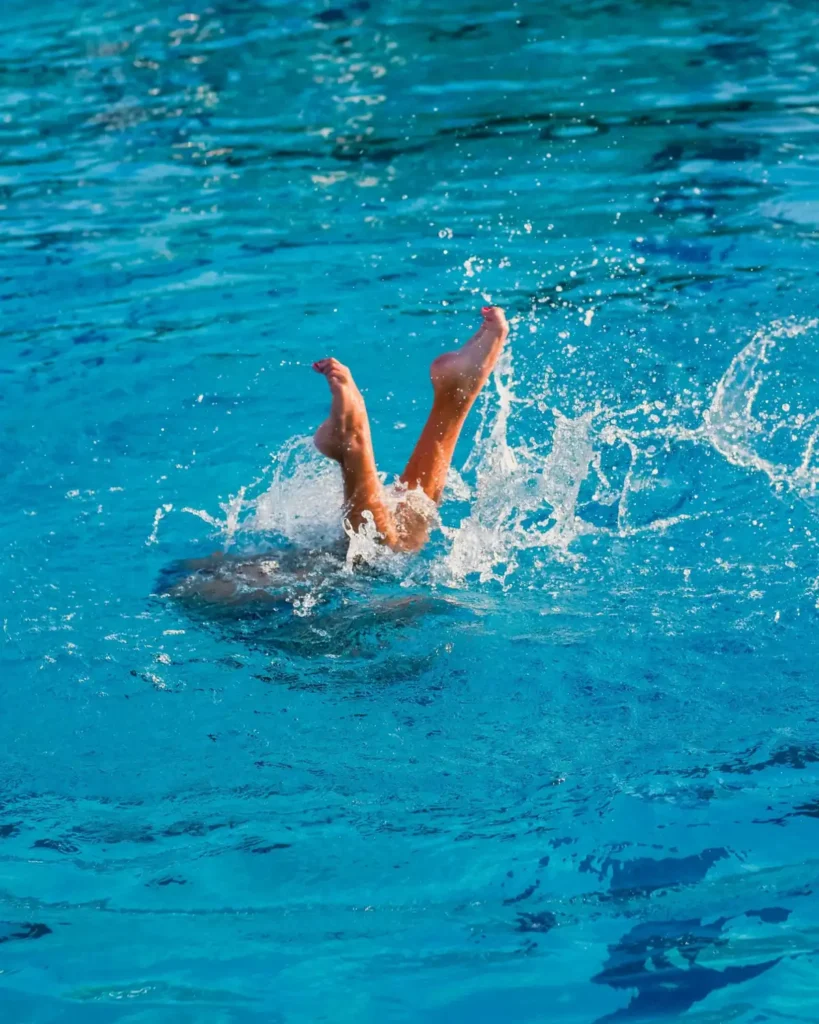
Aquatherapy, also called aquatic therapy, is therapist-led exercise in warm water. Because water supports your body, movement often feels easier and more comfortable. As a result, many people can practise movements that feel too hard or painful on land. Our therapists also adapt every session, so it matches your goals, strength and confidence in the water.

First, we check that aquatherapy is safe for you. Then we plan each session around your goals, so every exercise has a purpose. Because your therapist guides you throughout, you do not need to know how to swim. Afterwards, we review your progress and adjust the plan together.
A health check and assessment before your first session, covering your medical history, goals and comfort in water, so we can plan safely.
An individual plan built around your goals, abilities and any precautions, so every session has a clear purpose.
A trained therapist who guides and supports each movement, so you do not need to swim.
Warm, supported movement, because the water holds some of your weight and can ease pressure on your joints.
Gentle resistance from the water, which helps you build strength, balance and coordination without heavy equipment.
Exercises and games matched to your age and ability, including play-based activities for children.
Steady progress at your own pace, with regular reviews, so we adjust the plan as you improve.
Simple land-based exercises and advice for home, so progress continues between sessions.
Every person is different, so results vary. However, people often come to aquatherapy hoping to achieve the following.
Reduced Strain on Painful Joints | More Comfortable Movement | Improved Strength and Flexibility | Better Balance and Coordination | Greater Confidence with Movement | Support for Recovery After Injury or Surgery | Support for Children’s Development and Sensory Needs | Family and Caregiver Empowerment | Enhanced Quality of Life
Aquatherapy can support many conditions, but it is not right for everyone. For this reason, we always check your health and talk with your doctor where needed. The groups below show the people we most often support.
Osteoarthritis | Rheumatoid Arthritis | Chronic Low Back Pain | Neck and Shoulder Pain | Hip and Knee Pain | Fibromyalgia | Joint Hypermobility | Muscle Weakness
Fractures | Hip and Knee Replacement | Spinal Surgery | Ligament and Tendon Injuries | Reduced Strength After Illness or Hospital Stay
Stroke | Cerebral Palsy | Spinal Cord Injury | Multiple Sclerosis | Parkinson’s Disease | Traumatic Brain Injury | Peripheral Neuropathy | Balance Difficulties
Developmental Coordination Disorder | Global Developmental Delay | Low Muscle Tone (Hypotonia) | Delayed Motor Milestones | Down Syndrome | Sensory Needs | Confidence in Water
Falls Prevention | Frailty | Reduced Mobility | Age-Related Weakness | Recovery After Illness or Hospital Stay
Learn how our structured, personalized process guides each individual through assessment, planning, and tailored support to achieve meaningful results.
Tell us about your needs using our referral form. Our team will review your completed form and get back to you with the most appropriate next steps.
A thorough, unhurried assessment to understand strengths, challenges and what matters most to you.
Clear, realistic goals and a plan shaped around your life — agreed together, never imposed.
Therapy, review and adjustment, with your team and family kept in the loop every step of the way.
Specific FAQs
Can’t find what you’re looking for? We’re always happy to talk it through — just get in touch.
Aquatherapy is therapist-led exercise in warm water. Because the water supports your body, movements often feel easier and more comfortable. Our therapists also use the gentle resistance of water, so you can build strength and balance at the same time. groups, at a pace set by the learner.
The two terms overlap, and people often use them for the same thing. However, hydrotherapy can also mean spa-style water treatments. Here, we use aquatherapy to mean exercise and treatment in water, led by a trained therapist.
No, you do not need to swim, because your therapist guides and supports you throughout. We also use shallow water, buoyancy aids and clear safety rules, so you can feel secure.
Children, adolescents, adults and older adults can all take part. For example, people with joint pain, stroke recovery, developmental delay or balance difficulties often find the water helpful. However, we always check first that aquatherapy is safe for you.
Aquatherapy is not right for everyone. For instance, open wounds, infections, fever, uncontrolled epilepsy and some heart, breathing or bladder and bowel conditions need medical advice first. Therefore, we ask about your health before the first session, and we may ask for a letter from your doctor.
First, we talk about your health, your goals and your comfort in water. Then we assess how you move. After that, we agree a plan together.
The water is kept at about 32 to 34°C. Warm water helps muscles relax, so movement can feel easier. If you feel too warm or tired, tell your therapist, and we will adjust the session.
Yes, when a trained therapist supervises and the session suits the child’s age and ability. Sessions use play-based activities, so children stay relaxed and engaged. Parents and carers can also help younger children feel secure
It depends on your condition, your goals and how often you attend. Some people need a few sessions, while others benefit from longer support. We review progress regularly, so you always know where you stand.
Aquatherapy needs a pool, so it takes place in person. However, we can also share land-based exercises and advice online or at home, so progress continues between sessions.
Complete our quick referral form and our team will review it and suggest the most appropriate next step for you.

+234 8128423688
info@cortexclinicals.africa
Serving Across Africa
Credibility you can trust




©2026, Cortex Clinicals. All Rights Reserved.